DEMKO
G R O U P Ltd. Co
FIXED EQUIPMENT DESIGN
Design, Analysis and Optimization of the most Complicated Fixed Equipment according to the most Up-to-date Methods and Advanced Technologies

• Process design from zero to one hundred
• Comprehensive thermodynamic design
• Fluid and hydraulic calculations
• Using state-of-the-art analytical and simulation software
• Comprehensive CFD analysis
• Design of installation and assembly mechanisms for equipment parts
• Design of equipment parts considering the possibilities and manufacturing methods
• Design of equipment from 3D model to construction drawings

• Modify existing design to meet new project requirements
• Modify design to resolve equipment functional issues
• Modify design to facilitate construction and reduce costs

Mechanical Design
Process
Design
Manufacturing Design
Partial
Design
• Mechanical engineering calculations in the design of equipment components
• Use of state-of-the-art analytical and simulation software
• Comprehensive stress-strain analyses
• Specialized rotordynamic and vibration analyses

Design of Fixed Process Equipment
Fixed or static equipment is a general term used to describe non-moving equipment in the oil, gas and process industries. The risks associated with fixed equipment are higher than other types of equipment due to the large number of equipment parts and the amount of fluid stored. In a process facility, a significant portion of the cost of repairs and industrial incidents or failures is related to fixed equipment. The design of fixed process equipment is considered one of the most fundamental knowledge-based engineering activities. The Demco Group’s Fixed Equipment Design Department, which consists of three specialized teams: mechanical design, hydraulic-thermodynamic design and structural design, is capable of designing zero to one hundred types of fixed process equipment with advanced technologies by utilizing knowledge from various engineering disciplines, specialized analytical software, numerous successful practical experiences and using analysis of designs and advanced technologies in the world.
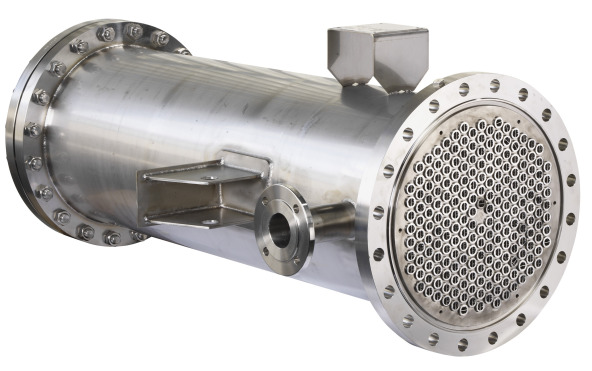
Mechanical Design of Fixed Equipment
• Performing complete mechanical engineering calculations including determining the thickness of the shell and heads, designing supports and nozzles, controlling local and global stresses and ensuring appropriate safety factors in all operating conditions
• Using state-of-the-art analytical and simulation software for stress analysis, buckling stability, fatigue and thermal stresses in fixed equipment
• Comprehensive stress-strain analyses under static, dynamic, wind, earthquake and foundation settlement loading conditions to achieve optimal and reliable mechanical design
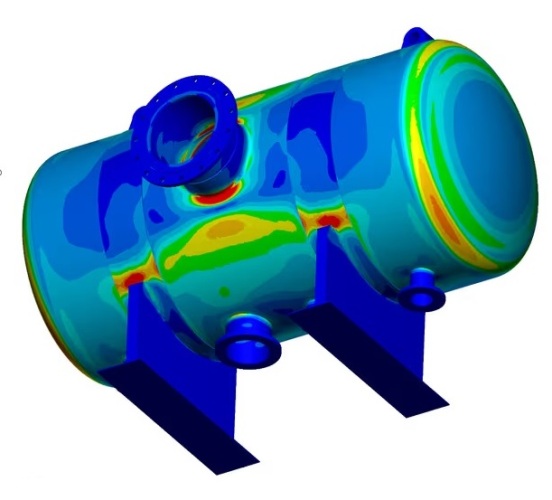
The main goal in the mechanical design of fixed equipment is to achieve an optimal and reliable design against real-world loading conditions. The following are the most important actions of the Demco design team in this section:
Process Design of Fixed Equipment
• Performing complete hydraulic calculations for heat exchangers and air coolers, including determining fluid flow rate, allowable velocity, allowable pressure drop, flow pattern on the shell and tube side, and investigating the possibility of cavitation and flow vibrations
• Numerical modeling of flow and pressure and temperature distribution inside Reactor, Tower and Vessels using CFD software to ensure process efficiency, prevent dead zones and accurately control residence time
• Fluid–Structure Interaction analysis at sensitive points such as nozzles, supports and internal elements to prevent destructive vibrations and improve service life
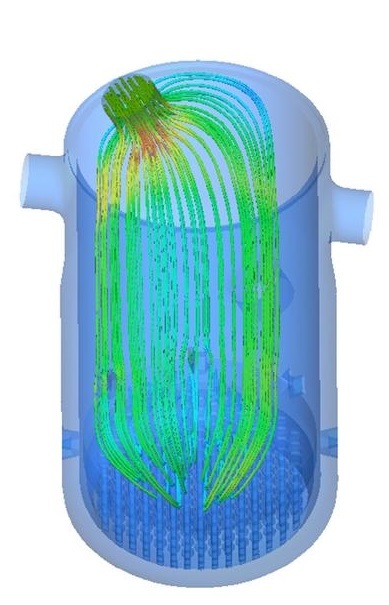
Process design plays a fundamental role in the stable fluid performance of equipment under operating conditions. The most important measures that Demco Group experts take in this area include the following:
Thermal Design of Fixed Equipment
• Selecting the appropriate exchanger configuration (number of passes, flow type, baffle type, piping pattern, fin type in the air cooler) to achieve high thermal efficiency along with acceptable pressure drop and minimal risk of fouling and vibrations
• Thermal stress analysis and investigation of Tube Expansion, Differential Thermal Expansion and Fatigue phenomena resulting from start-up and shutdown cycles, in order to ensure the mechanical and thermal life of the equipment
• Optimizing energy consumption in cooling and heating systems by evaluating different process and design scenarios, in order to reduce operating costs and increase the flexibility of the unit against changes in capacity and environmental conditions
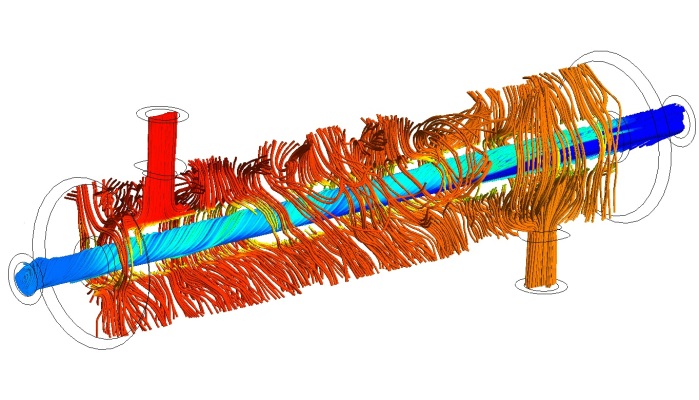
Thermal design, along with process and hydraulic design, plays a key role in meeting the basic project requirements in fixed equipment. The following items outline the most important actions of the Demco design team in this area:
Manufacturing Design of Fixed Equipment
• Design of equipment components according to existing manufacturing facilities and welding and machining methods, so that assembly, inspection and periodic repairs can be carried out with ease and minimal risk, such as emphasizing ease of manufacture
• Design of equipment from 3D model to full definition of dimensional and geometric tolerances (GD&T) and finally preparation of manufacturing drawings
• Establish a continuous communication loop between mechanical, hydraulic and structural design to achieve the optimal final model of fixed equipment, so that process performance, mechanical strength and industrial manufacturing capability are simultaneously ensured
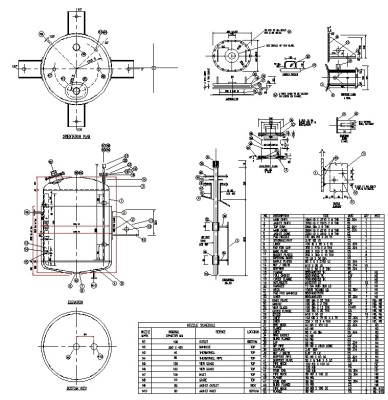
Structural design is the connecting link between engineering calculations and equipment manufacturing. Among the actions taken by the Demco Group's structural design and engineering team at this stage are the following:
Partial Design of Fixed Equipment
• Detailed design to resolve functional problems of existing equipment such as unallowable vibrations, leakage in nozzles, frequent failure of supports and changing process conditions
• Optimizing design details to increase ease of manufacture, assembly and inspection, reduce unit downtime and production costs, as well as emphasizing on reducing the volume of analysis and calculations
• Detailed design of internal elements of fixed equipment Baffle, Tray, Packing, Agitator, Support Ring, etc. to achieve the best process performance along with ease of manufacture and replacement during the life of the equipment
Detailed design is carried out with the aim of modifying, optimizing and adapting existing equipment to the requirements of the new project, in order to:
CONTACT US
info@demkogroup.com
Tehran - Sheikh Bahai - Danesh Doost - No. 261 - Unit 4

98-9333478909+
USEFUL LINKS
All rights reserved for this website